Google Core Web Vitals are critical metrics to be used on your website for evaluating user experience. This gives us two reasons to pay attention to them: it can help you get higher in the search ranking and it also helps user experience. Here’s how to optimize your Core Web Vitals.
Understanding Core Web Vitals
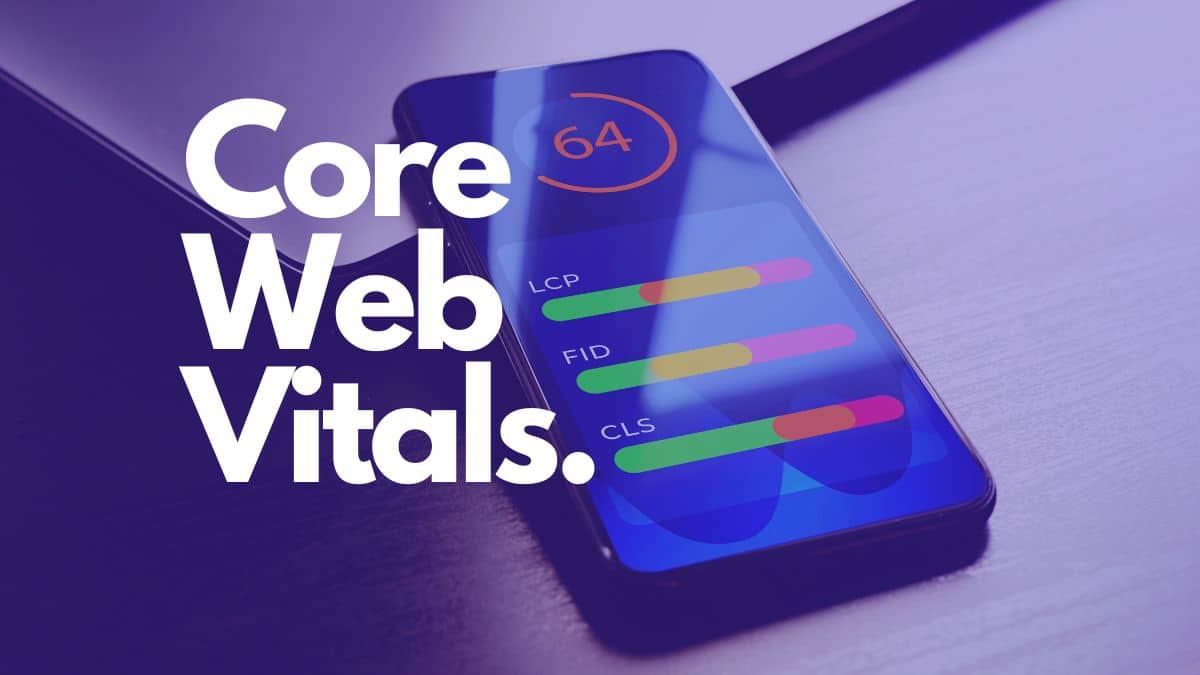
There are three main metrics in Core Web Vitals:
- Largest Contentful Paint (LCP): measures loading performance. The target LCP should be below 2.5 seconds }
- First Input Delay (FID): Tests interactivity. The less than 100 ms in ideal FID.
- Cumulative Layout Shift (CLS): Visual stability metric. Ideal CLS is less than 0.1.
Step 1: Measure Current Performance
You can use the following tools, to analyze your current Core Web Vitals:
- Google Pagespeed Insights: It gives you a very detailed report and suggestions.
- Google Search Console: Look at the “Core Web Vitals” report to see if there are sitewide issues
- Chrome Dev Tools Lighthouse: Provides extensive local performance auditing.
Step 2: Optimize Largest Contentful Paint (LCP)
LCP is related to the speed with which your page loads. Here’s how to optimize it:
- Optimize Images: Use current-gen formats such WebP and compress image files without losing details.
- Use Lazy Loading: Load images and iframes only when they enter the viewport
- Upgrade Hosting: Raise the dead! A CDN may be used to reduce server response time
Step 3: Improve First Input Delay (FID)
To optimize for FID, focus on faster interactivity:
- Minimize JavaScript: Split long tasks, defer scripts not urgently required; remove unused code
- Minimize and Defer: CSS to minimize the & block time.
- Browser cache: Take advantage of caching to save frequently used files locally.
Step 4: Minimize Cumulative Layout Shift (CLS)
CLS is all about visual stability. Address it by:
- Define Size Attributes for Media Elements: Use size attributes for images, videos, and other media to avoid layout shifts.
- Preload Fonts: Make sure fonts load quick to help prevent shifting.
- Don’t Push Content Upward: Integrate ads and pop-ups in such a way the existing content doesn’t get shifted unexpectedly.
Stage 5: Enhance the Mobile Features of Your Website
Mobile-first indexing means that mobile performance is imperative to optimize for:
- Another characteristic one needs to look for is responsive design.
- Test Mobile Speed: Make regular checks to assess mobile speed via the mobile-targeted tests in Google PageSpeed Insights.
- Make Navigation Simple: Create simple user-friendly navigation for mobile.
Step 6: Monitor and Constantly Tweaking
You need to monitor performance continuously for improvement over time:
- Get Benchmarks: After first optimization create benchmarks to monitor gains.
- Routine Audits: Regularly run PageSpeed Insights and Search Console audits to identify new issues right away.
- User Feedback: Look at user feedback to get awarded with performance issues that seem little less obvious in audits.
Step 7: Stay Current with Best Practices
The fields of SEO and web performance are constantly evolving. Keep up with:
- SEO News: Read on trusted SEO blog and forums to keep yourself under up.
- Google Updates: Staying Updated Regularly check on Google’s updates on Core Web Vitals and make strategy changes accordingly.
- Community Development Institute (2022): Research, engage & top tips for web development
Conclusion
Core Web Vitals optimization is not a one-off process you will need to pay attention to loading speed, interactivity and visual stability. With the proper tools and techniques, you can improve your website performance to make a user experience according to Google.
Keep refining your prioritization based on potential impact and plausibility, keep (re-)validating with metrics and indicators your trajectory, including dispassionate observation of others. To bring that performance home, and to create a more enjoyable user experience, that’s where you have to put the effort into optimizing.