Tactics to help you find your target audience through keyword research keyword planning is a crucial component of search engine optimization (SEO) that runs like undercurrent in all content writing. The good news is that you don’t need expensive tools to begin. This is a beginner’s guide to keyword research using free tools.
Which Keyword Research Required And Why?
Keyword research is done very well, so you will know what your audience searches for to provide them with relevant content. Keyword targeting refers to the process of selecting and optimizing specific keywords that are relevant to your content, services or products.
Step 1: Brainstorm Seed Keywords
Creating a list of seed keywords is the first step in your research. They are broad terms that relate to your niche or industry. Ask yourself:
What products / services do you provide?
Identify business-specific lingo for your niche
What problem or need does your business solve?
If you run a bakery, seed keywords might be things like “fresh bread,” “artisanal pastries,” or “local bakery.”
Step 2: Use Google Suggest
When looking for more relevant keywords, you could use Google Suggest. In the search bar of Google, begin typing your seed keywords and pay attention to the autocomplete suggestions. Most of them are real searches people do quite often, so they tell you what is popular.
Type a seed keyword slowly.
Jot down the recommended phrases as possible keywords.
Try out some of the variations to find more possibles.
Step 3: Use Google Keyword Planner
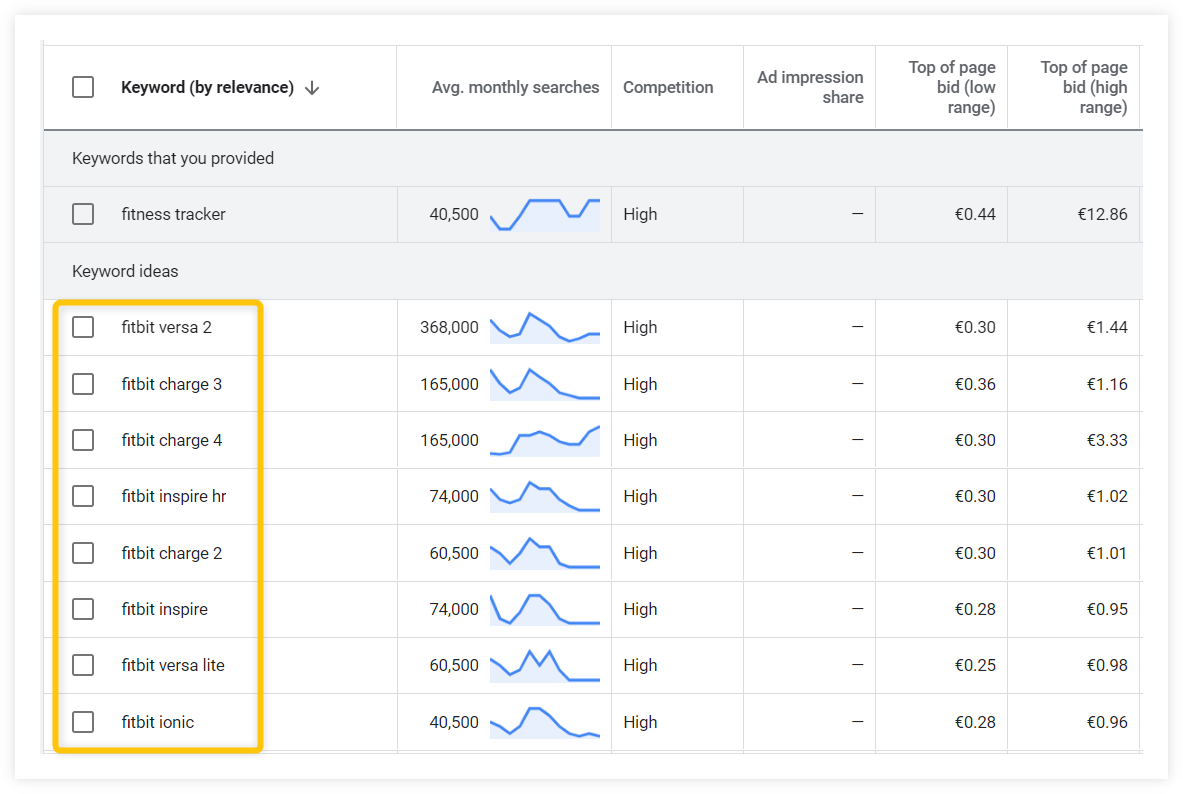
Google Keyword Planner, as the name suggests, a part of Google Ads platform and it is one of the best free tool for keyword research. Here’s how to use it:
Get into the Tool: If you do not have a Google Ads account, create it and go to Keyword Planner.
Discover New Keywords: The list of proposed keywords can offer insight into how to use your seed keywords.
Identify Opportunities: Focus on search volume and competition level. For best results, target keywords that have high search volume and low competition.
Step 4: Explore Ubersuggest
Another great free tool for keyword research is Ubersuggest, by Neil Patel:
Use a Seed Keyword: Type in one of your seed keywords.
Tool: Review Suggestions
Keyword Opportunity: See what keywords your competitors rank for, and add relevant terms to your strategy
Step 5: Use Answer the Public
What sets Answer the Public apart is that it gives you questions and phrases people search for when looking to find out more about a specific topic. And here’s how to get the most out of it:
Type a Seed Keyword: Type in one of your seed keywords.
Check Questions: They generate some questions and phrases. These can guide content that speaks to user questions directly — improving your SEO in the process.
Group Questions: Organise related questions to create content series or blog clusters.
Step 6: Use Google Trends to Analyse Keyword Competition
For this, Google Trends is helpful because:
Explore Trends: Enter a search term and see how interest has ebbed or flowed.
Compare Keywords: Compare different keywords to see which is trending.
Spot Seasonality: Use this tool to discover seasonal patterns, so you can align your content strategy with timing.
Step 7: Trim Your Keyword List
Once you have a strong list of keywords, it’s time to trim the fat:
Relevance: Make sure that each keyword corresponds with your content and audience intent.
Intent: Group keywords by type of intent (informational, navigational, transactional) to develop content that meets their needs.
Prioritize: Select both a few broad (head) terms and many long-tail keywords for a moderate scene of search volume versus competition.
Conclusion
Keyword research is a basic and essential exercise in SEO, and one that doesn’t waste costly resources. In using free tools like google suggest, google keyword planner, ubersuggest, answer the public and google trends you too can find keywords that will help to shape your content strategy.
So brainstorm, use these tools to grow your list, and then use data insights to refine it. Without clear steps to follow consistently, it’s very difficult to create content that both serves your audience and aligns with your business objectives. Happy researching!