It is imperative that your website shows up on the first page of Google search results if you expect users to see and/or interact with it in this age of information overload. Although paid ads are one method for moving up the search rankings, they don’t fit everyone’s model businesses and individuals alike would prefer organic methods when possible. Here’s an in-depth guide on how to increase the visibility of your website, without paying for ads.
Step 1: Perform Thorough Keyword Research
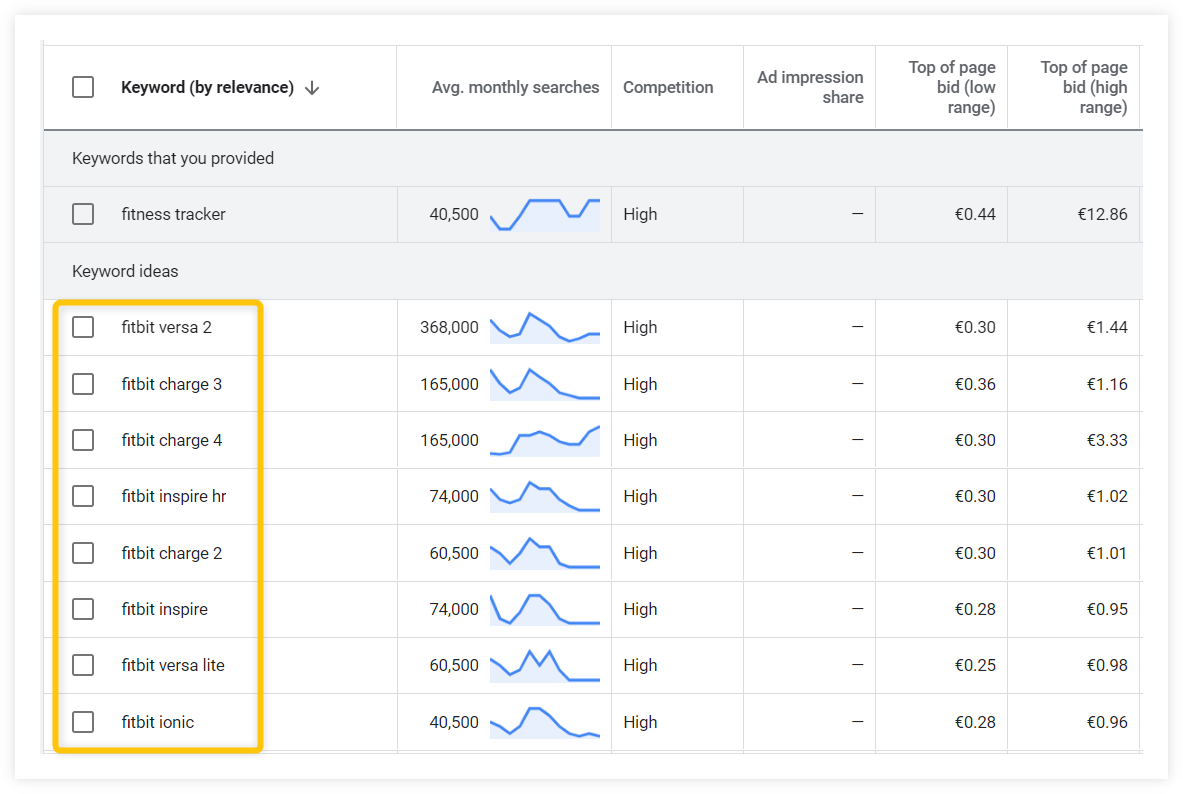
Keyword research is at the core of SEO and is crucial for understanding what your audience searches for. Tools like Google Keyword Planner, Ubersuggest or Ahrefs can be used to find the relevant keywords in your niche. Look for:
- Search Visibility: Focus on keywords with long tail and good search traffic.
- Competition: Focus on low to medium for which easier ranking is possible.
- Long-Tail Keywords: Since they generally have less competition, these can bring in more focused traffic.
Step 2: Optimize On-Page SEO
On-page optimization is the process of optimizing pages on your website to rank higher. Here’s what you need to do:
- Title Tags: Make sure every page has a unique, descriptive title tag that contains your primary keyword.
- Pixel Details: Edit your pixel details so that relevant keywords are in there.
- Header Tags: Implementing H1, H2, H3 tags structures content.
- Quality of Content: Emphasize the importance of creating high-quality, informative and engaging content that matches user intent.
Ensure your images have alt text so that they are accessible, and identify a potential new keyword opportunity.
Step 3: Develop High-Quality Content
When it comes to SEO, content is the king. Creating quality content on a regular basis increases authority and trust of your page. Consider these content strategies:
- Create Blog Posts: These can be articles you write to answer questions that are common for your audience and have solutions.
- Use Multimedia: Add images, videos and infographics to ensure a fuller reading experience.
- Consistency: Post on a consistent basis to ensure the reader comes back for more.
Step 4: Optimize for Fast Loading and Mobile-friendly
If neither met, Google would deem your site one that should not be ranked especially well. Follow these steps to improve UX:
- Optimize Images: Compress images using tools such as TinyPNG while maintaining quality.
- Last, Enable Browser Caching: Makes your site fast for returning users.
- Responsive Design: Having a design that responds to the size of browser so that it is good on mobile, tablet, and desktop. Check your site with Google’s Mobile-Friendly Test
Step 5: Use Internal and External Linking
Links are an essential part of SEO strategy. Here’s what you need to do to use them well:
- These pages may contain internal linking with relevant articles and some other mobile-optimized web pages.
- Link to other reputable external resources to support claims and improve credibility.
- Link building: Make to get backlinks from authority websites. Guest blogging and joining related forums are good options.
STEP 6: Social Media Promotions
Social media channels can help you get traffic and visibility for your site. Follow these tips:
- Share Content: Keep sharing your website’s content on social media channels for better reach and engagement.
- Responding: Respond to comments and engage in discussions with your audience.
- Collaborate: Work with influencers or other brands in your niche to reach a new audience.
Step 7: Measure Its Impact
Frequent analysis on your website’s performance helps shore up your strategy. Here, you can also use tools like Google Analytics and Google Search Console to:
Monitor Traffic Sources: Identify the sources of your traffic and adapt strategies accordingly.
Check User Behavior: Review bounce rate, time on the website and page views to ensure users are engaging.
Optimize Keywords: Constantly analyze the performance data of your keywords to remain in sync with search patterns.
Conclusion
Becoming better known on Google you can come down to attracting natural visitors with trends or similar. Transforming offers Eager site specialists and ways that need paid ads resort either syndication tools that will beg for best-known in search results, while help ranking top-searched through strategic SEO practice is completely achievable close up proposition without using those profits. By effectively researching keyword data, refining elements on page, writing great copy and ensuring your site is healthy from a technical standpoint, you can climb the ranks without paying anything. Keep in mind that SEO is a long-term investment. Keep calm, keep at it and adapt your strategies often as per the new trends & data insights.
By implementing these proven tactics, you will see a gradual rise in your website’s position on Google, which will give your site even more exposure and trust.